RESTORATION TECHNIQUES FOR PRESERVING CLASSIC STYLE CARS
- Auto
Tracy Ryna
- 0
- 4 minutes read
1. CLASSIC CAR RESTORATION FUNDAMENTALS
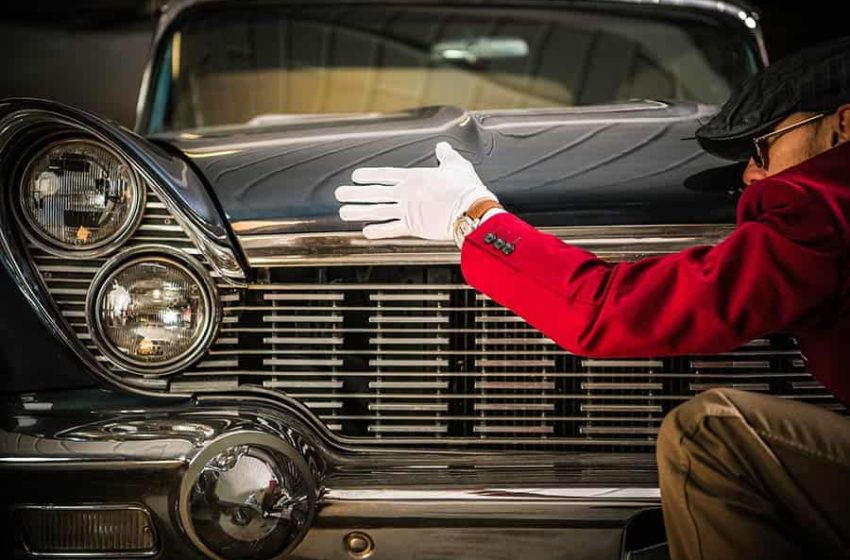
Restoration of a classic car is an automotive preservation process that involves returning a vintage automobile to its original form, which is factory condition. The process usually includes cosmetic refinishing and mechanical rebuilding, and relies heavily on Classic car restoration techniques to ensure accuracy and durability, to bring them back to life. The main aim is to preserve authenticity and value by making it roadworthy again. In the year 2024, the segment of classic cars held about 62% of the global automotive restoration market share. This shows how popular classic restoration projects are across the globe. Understanding the work and care needed before thinking of turning a single bolt is the key to success.
2. PRESERVATION METHODS THAT WORK
Before getting into any restoration work on a classic car, assessment is an important process. It would be a newbie’s mistake if you jump straight into replacements or repairs without proper assessment and documentation of the existing condition of the vehicle, which is often made by many amateurs when they are stuck in a project.
3. DIFFERENT RESTORATION APPROACHES
Not all classic cars require a full restoration process that ends in pieces. To decide the best for your project and budget, it is essential to know about the different options available. Some of the categories to be aware of are:
- Concours Restoration: According to the original factory specifications, each part is restored or replaced. This is the highest level of restoration. Time and investment in both parts, and money are needed.
- Driver Quality Restoration: Restoration is to the highest standard, where the car looks great, reliable, and drives well. Since it balances authenticity with practicality, it is the sweet spot for many enthusiasts.
- Restomod: Classic style with modern mechanicals, comfort features, and technology is combined in this restoration type. Classic exterior style is preserved, but the engine is swapped, and the modern interior is upgraded. It’s popular among collectors who want the best of both worlds.
- Preservation class: The goal is to clean, stabilise, and protect the elements instead of replacing or renewing them.
4. SAFETY UPGRADES YOU SHOULD BE AWARE OF
Classic cars were built in different eras with different safety standards in mind. For some purists safety upgrade idea may go against a true classic. Some of the safety upgrades that need to be considered are as follows:
- Brake Systems: Many original cars were built with drum brakes. Massive improvements in fade resistance and stopping power are offered by disc brake conversion.
- Seat Belts: Vintage vehicles mostly came with lap belts or no belts at all. For better protection of the occupant, upgrade to three point harness.
- Suspension Components: In comparison to today’s offerings original suspension was primitive. If suspension is upgraded, then you will witness a smooth and safe drive.
5. CONCLUSION
Restoration of classic cars connects automotive enthusiasts to history in a reliable and tangible way. The fundamentals of the restoration process remain the same whether you’re working on the rebuild or preserving it to its original form. Quality workmanship, attention to detail, and proper planning separate restoration from the mediocre ones.
