Extreme Heat and Your Car: Why Rubber Hoses Need Attention
- Maintenance
Donnald Crezy
- 0
- 4 minutes read
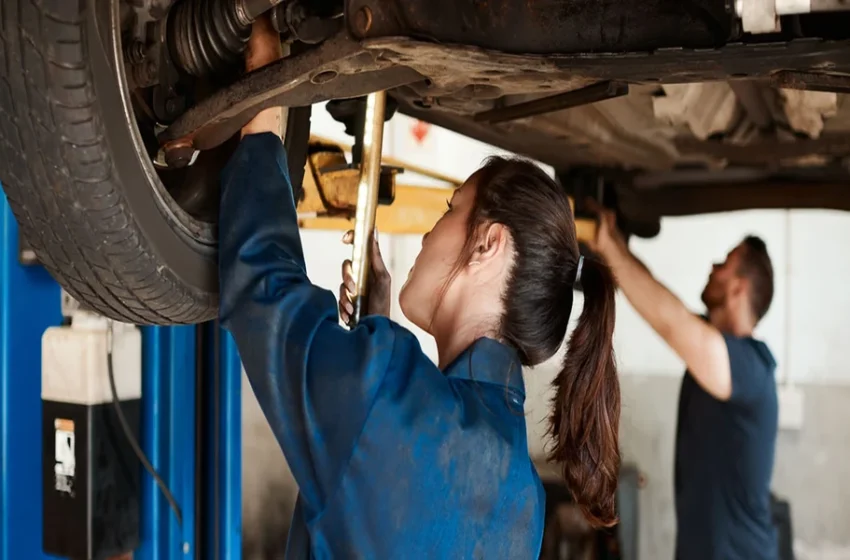
Extreme heat can place serious stress on your car’s rubber hoses. These flexible components carry coolant and other essential fluids around the engine. However, intense temperatures can slowly weaken their structure and reduce their reliability. Now hot weather can make existing hose problems become much more noticeable. So regular inspections can help prevent unexpected breakdowns during demanding driving conditions. Auto Repair in Thomas, Ga can provide professional inspections when hose concerns appear.
Heat Can Make Rubber Hoses Brittle
Rubber hoses naturally experience wear because they operate near hot engine components. Extreme heat accelerates this process and gradually removes flexibility from older rubber. Sometimes the surface develops small cracks that remain difficult to notice. These cracks can grow larger when the hose repeatedly expands during engine operation. The rubber may also become harder and less capable of absorbing pressure. But early inspection can identify these changes before complete hose failure occurs. C&C Automotive can examine suspicious hoses and recommend suitable replacement when necessary.
Excessive Heat Increases Pressure Inside Hoses
Engine temperatures rise considerably during prolonged driving under extreme weather conditions. As coolant becomes hotter the cooling system experiences increased internal pressure. Healthy hoses are designed to manage this pressure during normal engine operation. However, weakened rubber may struggle when pressure rises beyond its usual operating conditions. So damaged hoses can develop bulges or soft areas under excessive stress.
Heat Can Cause Hose Connections to Fail
Extreme temperatures affect hose connections as well as the rubber itself. Clamps can loosen slightly while repeated heating causes materials to expand and contract. A weakened connection may eventually allow coolant or fluid to escape slowly. Small leaks can create unpleasant smells and leave visible residue around connections. The leak may become worse when engine temperatures remain elevated for extended periods. C&C Automotive can inspect hose connections while checking the surrounding cooling system. Properly secured connections help maintain dependable fluid circulation throughout the engine compartment.
Conclusion
Technicians should also examine swelling and surface damage around hose connections. Coolant residue can provide another useful clue when investigating possible leakage. Now replacing an aging hose can provide better reliability during demanding driving conditions. C&C Automotive can help identify worn components and recommend appropriate maintenance solutions.
FAQs
Can Extreme Heat Damage Newer Rubber Hoses?
Modern hoses degrade slowly despite high temperatures. Stress from other engine conditions can exacerbate ageing in severe temperatures.
Why Does a Hose Become Soft After Prolonged Heat Exposure?
Rubber compositions can deteriorate due to excessive heat. Soft spots may signal degeneration that requires professional evaluation before driving.
Can Extreme Heat Make a Hose Burst Suddenly?
Yes. High coolant pressure might break a fragile hose. Previous cracking or swelling can cause unexpected failure.
Should Hoses Be Inspected Before Summer Road Trips?
Yes. The engine compartment gets hotter on long trips. Hose inspections can reveal deficiencies before they become roadside issues.
