Why American gearheads are turning to Japan for their next engine
- Cars
Tracy Ryna
- 0
- 7 minutes read
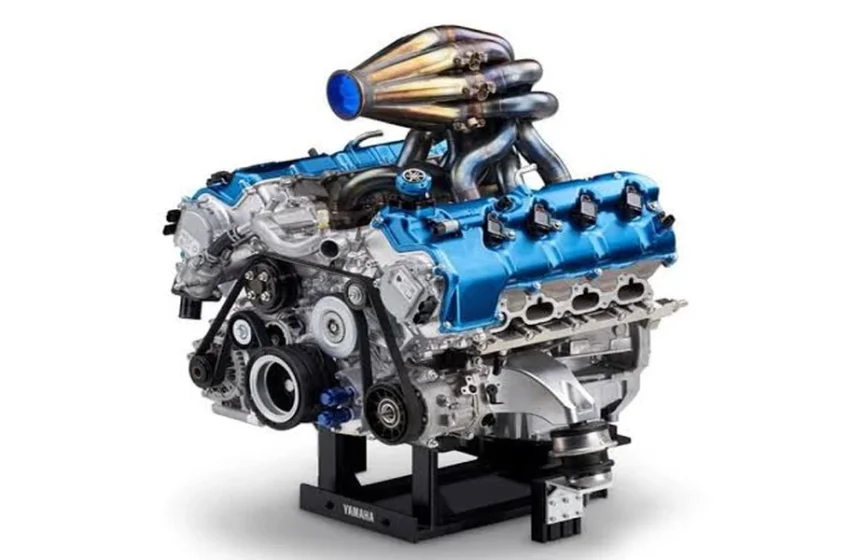
Walk into any independent import shop in Texas on a Saturday morning and you will hear the same conversation on repeat. A customer’s car has thrown a rod, or the transmission is slipping past the point of a quick fix, and the owner is weighing a decision that would have looked strange twenty years ago: instead of a domestic rebuild, they are asking about a low-mileage unit pulled from a car in Japan. That question has stopped being unusual. It has become one of the defining trends in the American used-parts market.
The numbers behind this shift are not hard to understand once you look at how Japan treats its cars. The country’s shaken inspection system makes it expensive to keep older vehicles on the road, so engines and transmissions with well under 65,000 miles get retired while they still have most of their service life ahead of them. Those units get containerized and shipped across the Pacific, and importers such as Texas JDM Motors have built entire businesses around matching that supply with American drivers who need a dependable replacement without the price of a crate motor. The result is a parallel parts economy that keeps thousands of otherwise sound vehicles running.
The economics that make the swap attractive
Cost is the first thing most buyers mention, and it is easy to see why. A full rebuild involves machine shop time, gaskets, bearings, seals, and labor that adds up quickly, and the finished product is only as good as the shop that assembled it. An imported unit arrives complete and already broken in, which collapses a multi-week project into a straightforward swap. For a shop billing by the hour, that difference decides whether a repair is worth quoting at all.
There is a reliability argument too. A rebuild reuses the original block, which may have been abused or run low on oil before it failed. A Japanese-market engine comes from a car that was, on average, driven gently and maintained on schedule during its short life. Buyers are not paying for nostalgia. They are paying for a component that spent its early years in a country where regular maintenance is effectively mandatory.
Which cars drive the demand
The appetite is broadest among owners of Japanese brands, which makes sense given the parts supply. Honda and Acura owners look for the B-series and K-series engines that made those platforms famous. Toyota and Lexus drivers hunt for the durable inline units that built the brand’s reputation. Nissan, Subaru, Mazda, and Mitsubishi each have their own loyal followings, and the enthusiasts behind those platforms treat a clean imported swap as a legitimate path to keeping a car alive or building something quicker than the factory ever offered.
It would be a mistake to frame this as a hobbyist-only phenomenon, though. Plenty of the demand comes from ordinary owners who simply want their daily driver back on the road for a reasonable price. A minivan with a dead engine and an otherwise clean body is a perfect candidate. The car is worth keeping, a rebuild is not worth the money, and a low-mileage import splits the difference.
Why the infrastructure finally caught up
For years the biggest obstacle was not supply but trust. Buyers had no easy way to know what they were getting, and horror stories about mystery engines dumped off a boat kept many shops away. What changed is the professionalization of the importers themselves. Inventory is now organized by make, model, and year range, units are inspected before they are listed, and financing options through services like Affirm bring a large purchase within reach of the average customer. Nationwide shipping to nearly every state means a shop in rural Texas has the same access as one in a major metro.
This is the quiet story behind the trend. The engines were always crossing the Pacific. What was missing was a layer of logistics and accountability that made the transaction feel like buying a part rather than gambling on one. Once that layer matured, the market expanded well beyond the tuner crowd that seeded it.
The catch buyers still need to respect
None of this makes an import a guaranteed win. Compatibility matters, and it is where inexperienced buyers get burned. A given engine family may span several generations with different wiring, mounting, and emissions equipment, and dropping the wrong variant into a chassis turns a weekend job into a month of fabrication. The best outcomes come from buyers who confirm the exact application before they order and from sellers who list their inventory precisely enough to make that confirmation possible.
Emissions rules add another layer. States vary in how they treat engine swaps, and a unit that is legal to install in one place may create headaches in another. None of this is a reason to avoid the market, but it does reward doing homework. The owners who research the specifics get a car that runs for another decade. The ones who buy on impulse sometimes learn an expensive lesson.
How shops are folding it into their business
The clearest sign that a trend has arrived is when the professionals adopt it, and that is exactly what has happened here. Independent repair shops that once quoted only rebuilds now keep import suppliers on speed dial. For a busy shop, the appeal is operational as much as financial. A rebuild ties up a bay and a technician for a stretch that is hard to schedule around, while a complete unit turns the same repair into a predictable job with a firm timeline.
There is a customer-relationship angle too. When a shop can offer a driver two or three real paths instead of one intimidating quote, the conversation changes. The owner feels like they have choices rather than an ultimatum, and shops that present the options honestly tend to keep those customers for the next repair. A supplier that ships nationwide and offers financing effectively extends the shop’s own capabilities, letting a small operation compete on price and turnaround with much larger outfits. The engines crossing the Pacific are not just serving hobbyists in garages. They are quietly reshaping how everyday repair shops quote and win work.
Where the trend goes from here
Every sign points to continued growth. The average age of vehicles on American roads keeps climbing, which means more cars reaching the point where a major repair decision has to be made. As long as those decisions favor keeping a serviceable car over buying a replacement, imported engines and transmissions will stay in demand. The supply side is stable too, because Japan’s inspection culture is not going anywhere.
What has really changed is perception. A decade ago, telling your mechanic you wanted an imported engine invited a skeptical look. Today it is a routine option that sits alongside a rebuild and a used domestic unit on the same quote. The market grew up, the buyers got smarter, and a supply of clean, low-mileage components that once served only a small circle of enthusiasts now keeps a broad slice of the American car fleet on the road.
