5 Common Jeep Wrangler Mechanical Issues Every Owner Will Eventually Face
- Auto
Clare Louise
- 0
- 5 minutes read
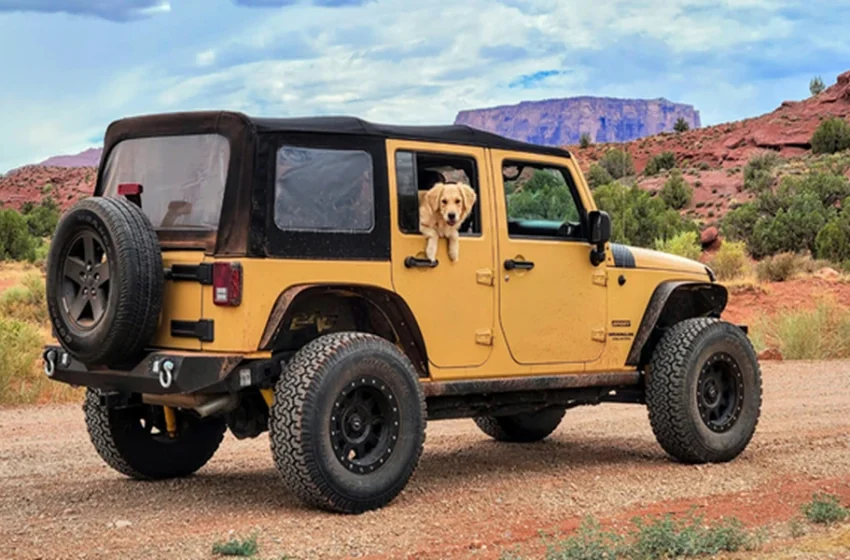
The Jeep Wrangler is a global automotive icon. With its unmistakable boxy silhouette, removable doors, and legendary solid-axle design, it offers a level of freedom and off-road capability that few other vehicles can match. Whether you are navigating crawling trails or cruising down the highway, driving a Wrangler is an experience unlike any other.
However, that rugged capability comes with a unique set of mechanical realities. Because Wranglers are built differently than standard independent-suspension SUVs, they are prone to highly specific mechanical quirks. Over time, heavy trail use, high-altitude driving, and simple aging will lead to predictable failures. If you own a Wrangler, or are planning to buy one, here are the five common mechanical issues you will eventually face.
1. The Infamous “Death Wobble”
Perhaps the most notorious issue associated with the Jeep Wrangler platform is the dreaded “death wobble.” This isn’t just a slight vibration in the steering wheel; it is a violent, terrifying shaking of the entire front suspension that typically triggers when you hit a pothole or highway expansion joint at speeds above 45 mph.
The root cause of the death wobble lies in the Wrangler’s solid front axle design. If a single steering or suspension component becomes loose, worn, or bent-most commonly the track bar bushings, ball joints, tie rod ends, or steering stabilizer-the entire front geometry goes into an uncontrollable oscillation. Resolving it requires a meticulous inspection of every front-end component to replace the weak link before it compromises your safety.
2. Cracked Engine Oil Cooler Housing (3.6L Pentastar)
If you drive a modern Wrangler equipped with the widely used 3.6L Pentastar V6 engine, you are highly likely to encounter a leaking oil cooler housing. The factory housing is made of plastic and sits tucked deep within the “V” of the engine valley, directly beneath the intake manifold.
Because it is exposed to constant extreme engine heat cycles, the plastic eventually becomes brittle, warps, or cracks. When it fails, engine oil or coolant will begin pooling on top of the engine block and eventually run down the back of the transmission. If you smell burning oil after a long drive or notice unexplained fluid loss, a cracked plastic cooler housing is almost always the culprit. Upgrading to an aftermarket aluminum housing is a highly effective, permanent fix.
3. Totally Integrated Power Module (TIPM) Failures
The Totally Integrated Power Module, or TIPM, is essentially the central nervous system of a Jeep’s electrical setup. It acts as a combination fuse box and computer that regulates power to everything from the fuel pump and headlights to the power windows and windshield wipers.
Unfortunately, TIPM failures are incredibly common in Wranglers built over the last two generations. When a TIPM starts to degrade, it creates bizarre, seemingly unrelated electrical gremlins. Your horn might honk uncontrollably, your wipers might turn on by themselves, or your fuel pump may fail to engage, leaving you crank-but-no-start stranded. Diagnosing a failing TIPM requires specialized electrical testing to confirm the unit needs replacement.
4. Rapid Steering Component and Bushing Wear
Because Wranglers are frequently subjected to rough backcountry roads, deep potholes, and the added stress of aftermarket lift kits and heavy oversized tires, their factory steering components wear out much faster than a standard vehicle.
The ball joints, drag links, and track bars bear the brunt of the vehicle’s weight and trail impacts. As these metal joints and rubber bushings degrade, your steering will begin to feel loose, vague, or sloppy, requiring constant corrections to stay centered in your lane. Routine inspections of these high-stress components are vital to prevent premature tire wear and avoid triggering front-end stability issues.
5. Radiator and Cooling System Leaks
Keeping a Wrangler cool under heavy load is critical, yet the factory cooling systems are known weak spots. Wrangler radiators frequently develop slow, elusive leaks where the aluminum core meets the plastic side tanks. Furthermore, the constant vibration from off-roading can cause microscopic fractures in the radiator body or thermostat housing. A dropping coolant level or a faint, sweet smell coming from the front grille indicates that your cooling system is compromised. Catching these leaks early prevents catastrophic engine overheating during grueling, high-altitude mountain climbs.
Owning a Jeep Wrangler is an absolute joy, but it requires a commitment to proactive maintenance. Recognizing these common vulnerabilities allows you to address them before they turn into costly trailside breakdowns. When dealing with these specialized 4×4 issues, general automotive shops often miss the subtle warning signs. Investing in the specialized Jeep repair Denver owners rely on ensures that your rugged suspension, complex electrical systems, and durable drivetrain are serviced by professionals who truly understand the unique architecture of the Wrangler.
