Timing Belt Replacement for High-Mileage Vehicles: What to Know
- Maintenance
Paul Davidson
- 0
- 4 minutes read
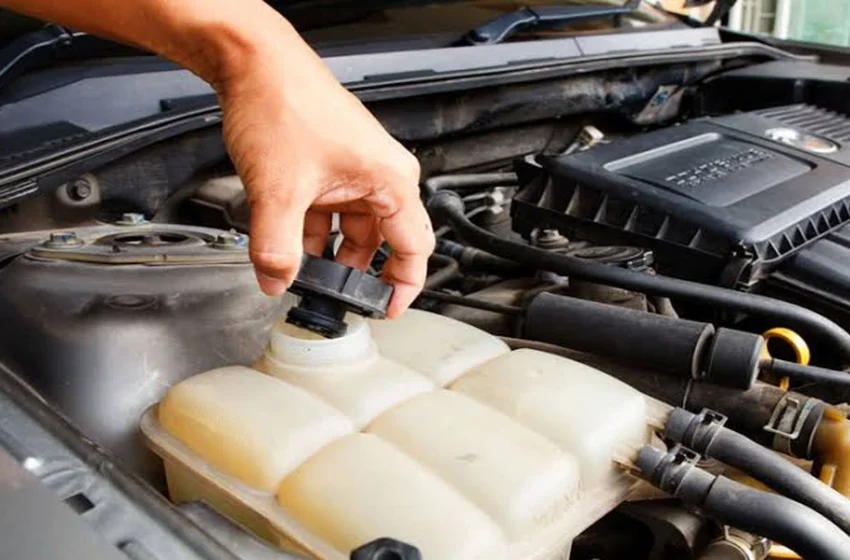
High-mileage vehicles need careful attention because older parts slowly lose reliability. Timing belts are especially important because they control essential engine movement. The belt connects the crankshaft with the camshaft inside the engine.
So, proper timing keeps internal components moving together without damaging contact. Sometimes the belt appears healthy while its internal strength has already declined. Now experienced maintenance becomes important when a vehicle reaches higher mileage. A neglected timing belt can eventually create severe engine problems. Therefore, timely replacement protects performance and supports dependable everyday driving.
Why Timing Belt Condition Matters in Older Vehicles
The timing belt works continuously while the engine remains running. It synchronizes the crankshaft and camshaft through precise mechanical movement. But age can weaken the belt even when driving habits remain gentle. Heat exposure can gradually damage the rubber material and internal reinforcing fibres. Oil contamination can also accelerate deterioration around the belt surface.
Over time the belt may develop cracks or lose structural flexibility. The engine may continue running normally despite these hidden weaknesses. That makes preventive replacement more reliable than waiting for visible failure.
Warning Signs That Should Never Be Ignored
High-mileage vehicles can sometimes develop symptoms before timing belt failure occurs. Unusual ticking sounds may indicate problems within the timing system. Difficulty starting the engine can also suggest incorrect internal timing. Misfiring may appear when the belt becomes stretched or damaged. However these symptoms can have several different mechanical causes. Therefore professional inspection remains necessary before deciding on a replacement. A qualified technician can examine related components and identify underlying concerns. For reliable assistance Auto Repair in Columbus, NE can help evaluate the complete timing system.
Why Professional Replacement Is Usually Better
Timing belt replacement requires careful positioning and accurate mechanical adjustment. Small timing errors can affect engine performance after the repair.
Professional technicians use appropriate procedures for alignment and tension adjustment. They can also inspect surrounding seals and components during the service. The work becomes more efficient when related aging parts receive attention together. Now owners can avoid repeated labour costs from separate repairs later. Zegers Automotive provides timing system inspections and replacement support for aging vehicles. Proper installation can help restore dependable engine operation and reduce unnecessary risks.
Choosing the Right Replacement Schedule
A professional technician can also review previous maintenance records. If service history is uncertain then inspection becomes particularly valuable. Zegers Automotive can assess the timing system and recommend appropriate maintenance based on vehicle condition. Preventive service remains a sensible choice for vehicles expected to provide dependable transportation.
FAQs
Can a timing belt look healthy while needing replacement?
Yes. Internal fibres can weaken without obvious external cracking or visible damage. Service history therefore matters more than appearance during maintenance decisions.
Does low yearly driving protect an older timing belt?
Not completely. Rubber components still age through heat exposure and prolonged storage conditions. Calendar age can therefore matter alongside driving distance.
Should related timing components be replaced together?
Often yes. Tensioners and water pumps may experience similar wear during service. Replacing compatible components together can prevent another major repair later.
Can unusual engine noise confirm timing belt damage?
No. Similar sounds can come from several unrelated engine components. A proper inspection is necessary before identifying the actual source.
