What Happens When a Coolant Hose Develops a Slow Leak?
- Maintenance
Donnald Crezy
- 0
- 4 minutes read
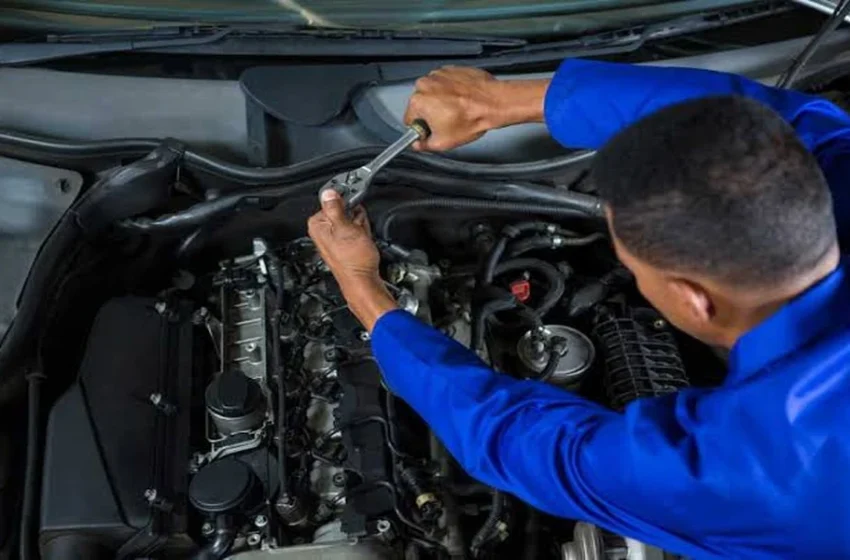
Sometimes a tiny weakness develops without creating an obvious puddle underneath. Now the leak may slowly reduce coolant levels during regular driving. This problem deserves attention because low coolant can quickly affect engine temperature. Early inspection from Parker Automotive Service Center can prevent more serious cooling system damage.
How a Slow Coolant Leak Usually Begins
A slow leak often starts with a small crack inside the hose. Heat exposure gradually weakens rubber materials throughout repeated driving cycles. The hose may also become brittle around clamps and connection points. A careful inspection helps identify moisture before the damage becomes extensive. Professional Auto Repair in Tucson, Az can help locate these subtle cooling system problems.
Why Coolant Levels Gradually Become Lower
A slow leak continuously removes small amounts of coolant from the system. The loss may initially seem too minor to create concern. However, coolant levels can eventually fall below the recommended operating range. The engine then has less fluid available for effective temperature control. Now overheating becomes more likely during traffic or extended driving conditions. A technician can pressure test the cooling system and identify hidden leakage. Parker Automotive Service Center can examine hose surfaces and nearby connections for related damage.
What Happens When Air Enters the Cooling System
A leaking hose can allow air to enter the cooling system. Air pockets can interfere with normal coolant circulation throughout the engine. This condition may create uneven temperatures around important engine components. Sometimes the temperature gauge can fluctuate during changing driving conditions. The heater may also produce inconsistent warmth inside the vehicle cabin.
Why Continuing to Drive Can Increase Damage
A vehicle may appear normal even when a hose leaks slowly. But continued driving allows coolant loss to become progressively worse. The weakened hose may eventually split under increased pressure and temperature. A sudden rupture can release coolant rapidly and create immediate overheating. Parker Automotive Service Center can recommend suitable repairs based on hose condition and vehicle requirements.
FAQs
Can A Slow Hose Leak Disappear Temporarily?
Yes. Heat can temporarily close a tiny crack while the hose remains warm. The leak may return after cooling begins and pressure changes.
Why Does Coolant Sometimes Leak Only After Driving?
Engine heat raises cooling system pressure during operation. A weakened hose may leak only after reaching normal operating temperature.
Can A Hose Leak Cause Cabin Heating Problems?
Yes. Reduced coolant circulation can limit heat reaching the heater core. This may create inconsistent cabin temperatures during normal driving.
Does A Wet Hose Always Need Replacement?
Not always. Moisture may come from a loose clamp or nearby component. Inspection can determine whether tightening or replacement provides the proper solution.
Can Coolant Hose Problems Affect Engine Performance?
Yes. Significant coolant loss can cause overheating and reduced engine efficiency. Prompt diagnosis helps prevent escalating temperature related engine damage.
